How to Buy Large Amounts of Bitcoin in the US in 2026

Ledn has over $10 billion in loan originations since 2018 and counting!
TL;DR:
- The most common route for large trades is through an OTC desk or an institutional program at a major exchange, where you can request firm quotes and get support with settlement.
- Verification is stricter at size. Expect identity checks, proof of address, and documentation of your source of funds or wealth.
- Large purchases are almost always funded by domestic USD wire transfer. Credit cards and ACH transfers exist but have lower limits and higher fees.
- Once settled, move coins into secure custody. Hardware wallets and regulated custodians are the most common options.
- If you need liquidity without selling, Ledn’s bitcoin-backed loans give you access to US dollars while keeping your exposure.
Large bitcoin purchases are no longer the preserve of hedge funds and family offices. Increasingly, individuals and businesses in the United States want to acquire meaningful exposure in one transaction. The priority is simple: lock in a fair market price, settle cleanly, and safeguard the coins once delivered.
This guide explains what qualifies as a “large” purchase in the US, which venues can handle size, how the funding and verification process works, and what steps you should take to protect your digital assets after the trade. It also highlights how Ledn can help you keep your bitcoin working for you once it’s in custody.
What counts as a large bitcoin purchase in the US?
In the US market, the definition of a “large” bitcoin purchase has shifted over time. A few years ago, owning one bitcoin was sometimes considered significant. Today, institutions and high-net-worth buyers tend to treat anything from $50,000 to $100,000 as the starting point for a large ticket, with trades easily running into the millions.
There is no single federal ‘maximum,’ on how much bitcoin you can buy, but large transactions are subject to platform limits, banking controls, and compliance requirements. In practice, your ceiling depends on several factors:
Venue policies
Exchanges and OTC desks set their own minimum and maximum trade sizes. Some OTC desks won’t entertain trades below $50,000, while institutional desks are set up for multi-million-dollar orders.
Verification process
Large trades trigger stricter checks. Expect requests for identity, proof of address, and source-of-funds documentation. Businesses or trusts may also need to submit incorporation documents and authorised signer lists.
Funding limits
Payment rails matter. Most large transactions are funded by domestic USD wire transfers, which can handle high values. ACH and credit card payments usually have lower limits and longer settlement times.
Withdrawal controls
Even after a purchase, platforms often impose daily or weekly withdrawal caps until full verification is complete. Moving several million dollars’ worth of bitcoin may need staged withdrawals.
State rules
Regulations vary. For example, New York’s “BitLicense” regime can limit which platforms can serve residents, while some products are not available in every state. Always confirm coverage before committing funds.
Best options for buying large amounts of bitcoin in 2026
You have three main routes. Each trades off service level, control over market price, and record keeping.
Over-the-counter (OTC) desks
OTC desks are built for large tickets. Instead of trading through a public order book, you request a firm quote (RFQ) from a desk, agree the price, and settle directly by wire transfer. Bitcoin is then delivered either to your own wallet or to a custodian. The advantage is clear pricing and a straightforward process, often supported by a dedicated trader.
OTC services are widely used by institutions and high-net-worth buyers who value higher limits, discretion, and hands-on settlement support.
Institutional or VIP programs at major exchanges
Large exchanges such as Coinbase, Kraken, and Gemini run institutional portals designed for block trading. These services combine RFQ trading, block execution tools, and account managers who oversee settlement. They also offer integrated custody and detailed reporting, which can simplify audits and tax preparation.
This route is a fit if you already operate on a major exchange and want all activity and records in one place.
Peer-to-peer (P2P) trades
Buying directly from another party remains possible, but it carries more risk. Without the protections of an exchange or OTC desk, you take on the burden of verifying the counterparty, arranging escrow, and enforcing contracts. Safe execution requires identity checks, written agreements, and a small test transaction before sending full funds.
While some buyers prefer this route for flexibility, it is the least secure method for large amounts.
Top platforms for large bitcoin purchases in the US
These platforms are widely used by US buyers. Confirm your eligibility, state coverage, payment method options, and transaction fees.
Ledn Trade
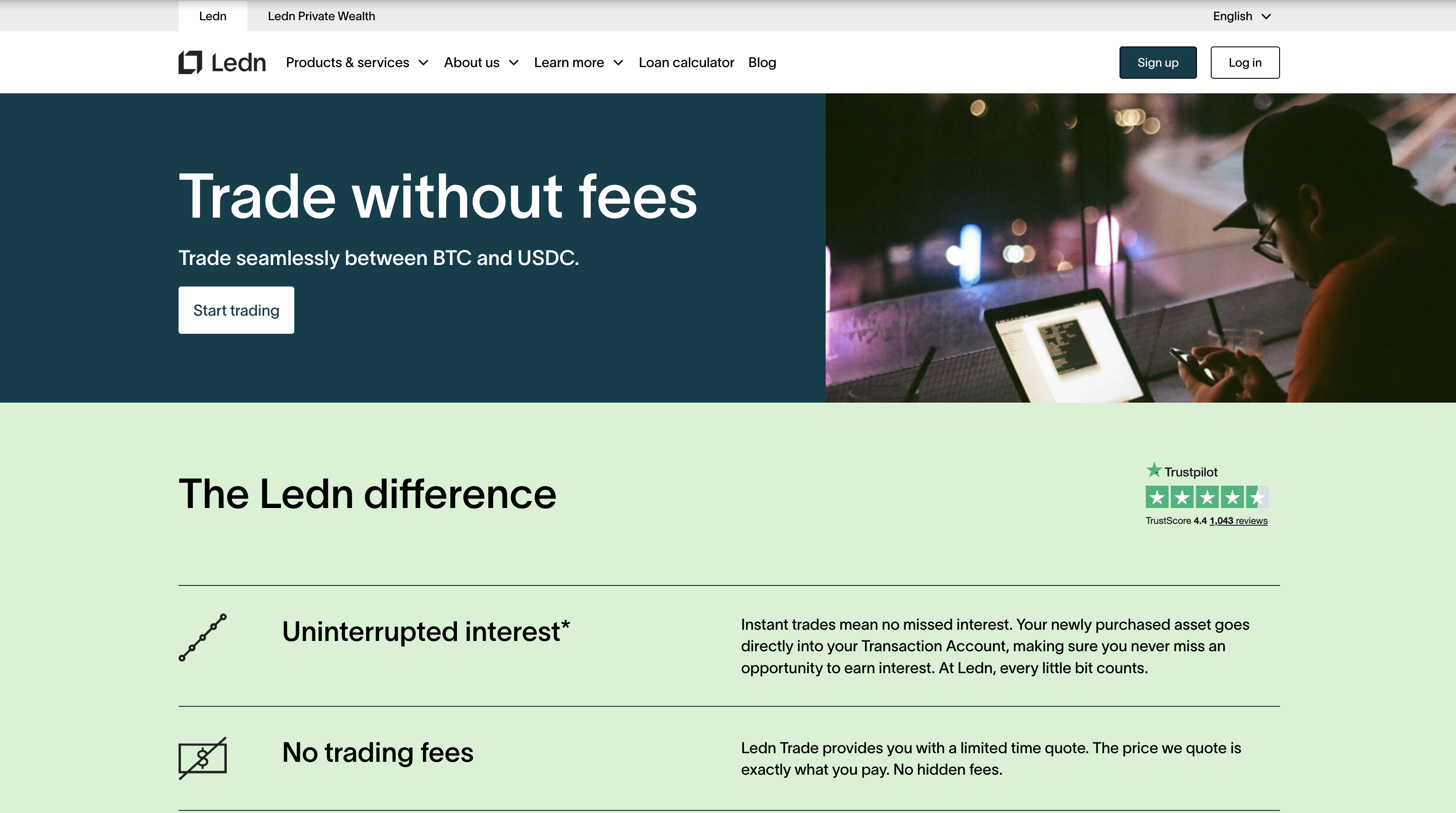
Ledn has a built-in trading feature that lets you buy larger amounts of bitcoin directly within your account using transparent institutional pricing. When you initiate a trade, Ledn requests quotes from multiple liquidity providers, selects the best available market price, and applies a clearly disclosed 0.5% spread. The final quote you see is the price you pay, with no additional trading fees. Purchased bitcoin settles instantly into your Transaction Account, allowing you to hold, transfer, or use it within your broader borrowing or treasury strategy without waiting for external transfers. Start trading.
Coinbase Prime
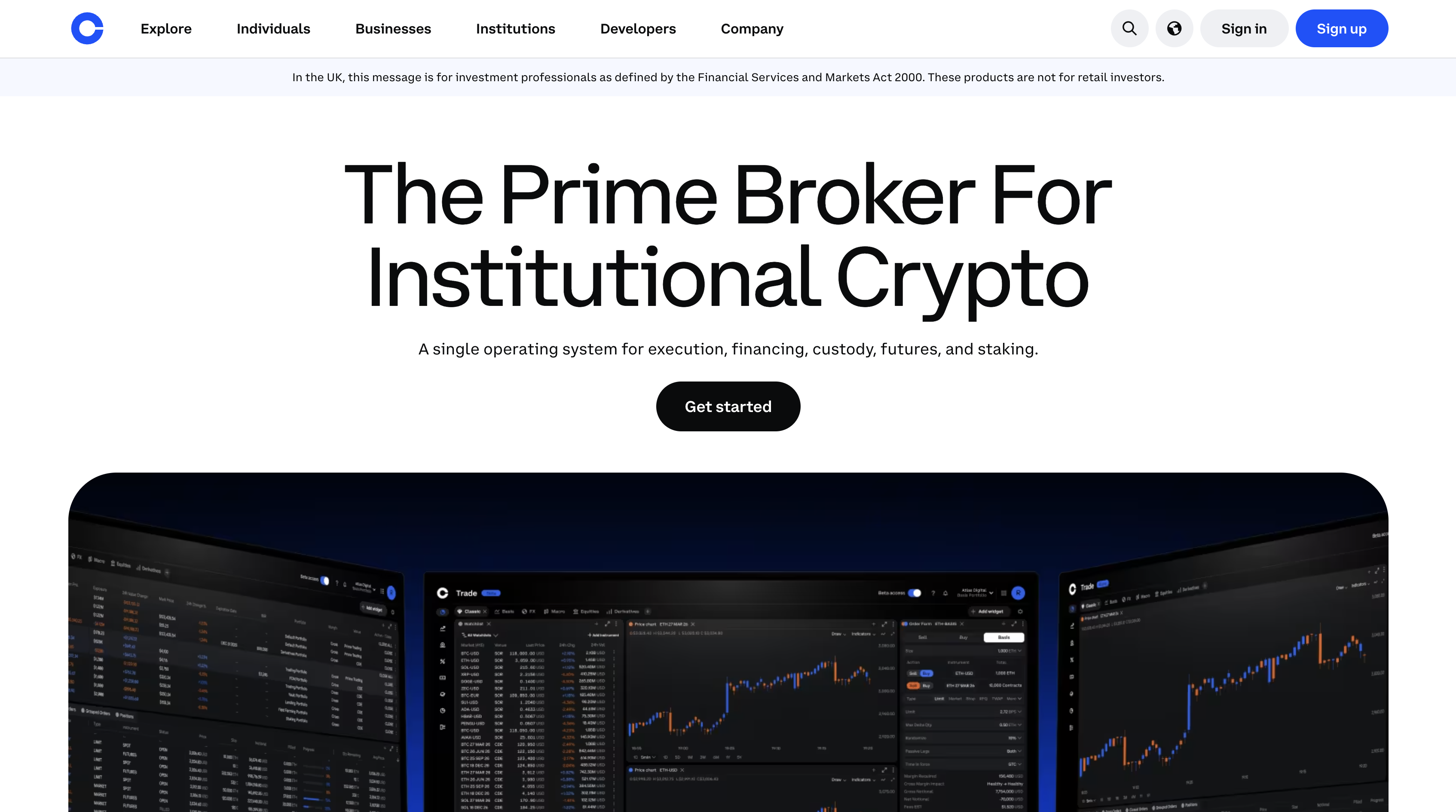
A full prime-broker service that aggregates liquidity across venues, supports request-for-quote (RFQ) trading, and provides block trade execution through a high-touch desk. Features include institutional custody, detailed reporting, and funding options via Fedwire and SWIFT.
Kraken OTC
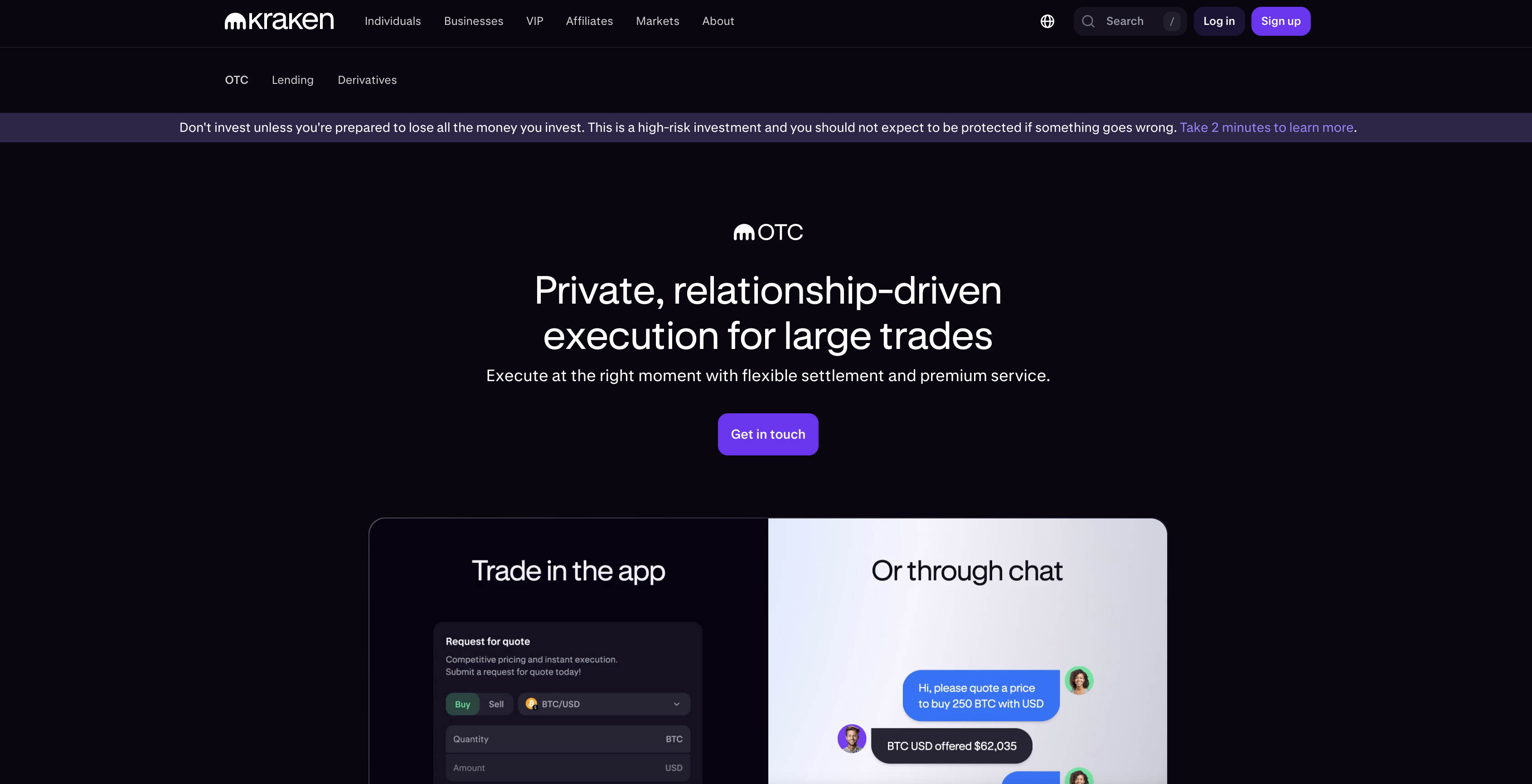
An over-the-counter desk designed for trades of $50,000 and above. Offers an RFQ portal, direct trader support, and settlement typically within 24 hours. Access requires Intermediate verification for the RFQ platform or Pro verification for chat-based execution.
Gemini Clearing and eOTC
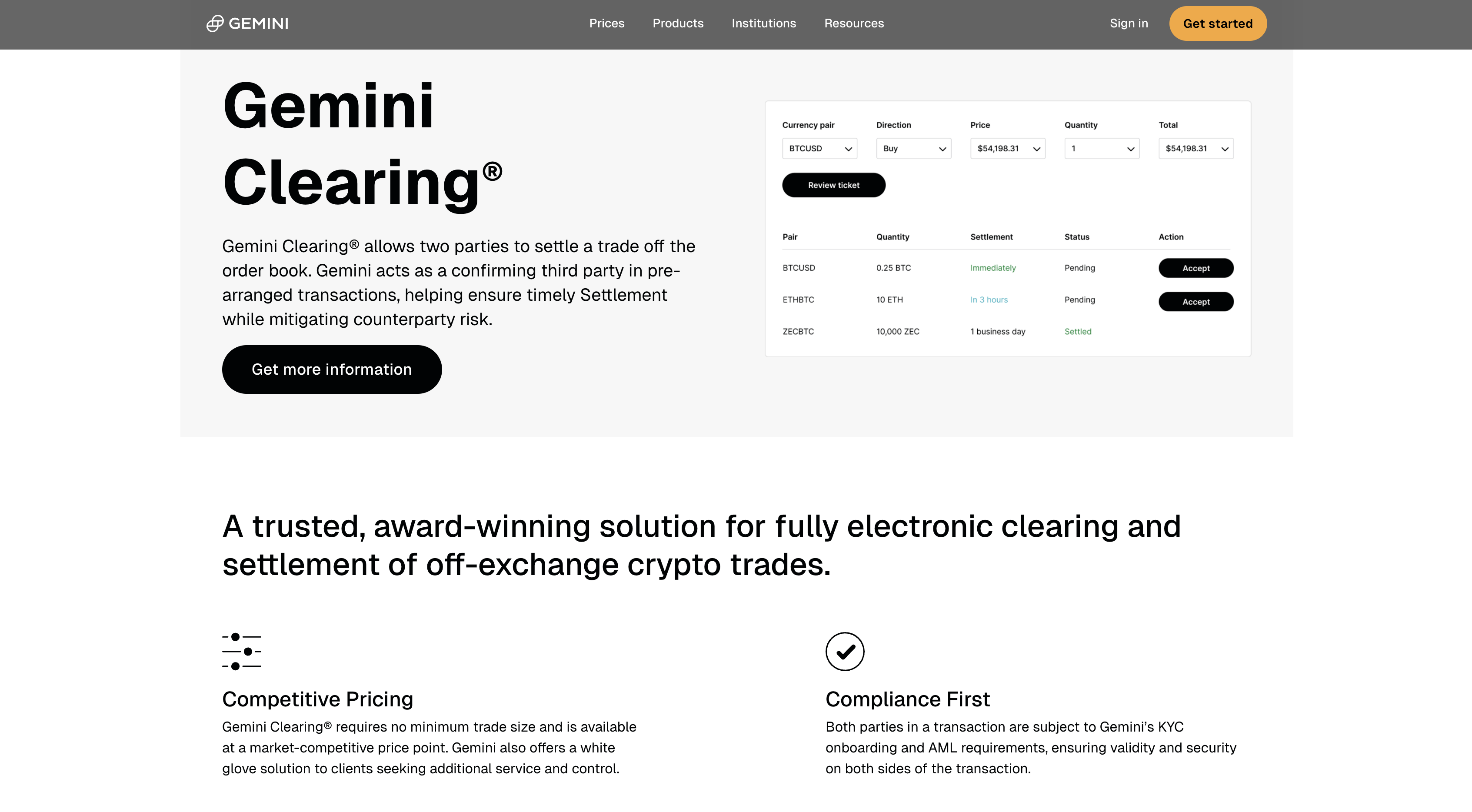
A platform for off-order-book settlement between Gemini accounts, with electronic workflows and end-of-day net settlement available. eOTC operates in most US states but excludes New York.
Swan Private
A concierge service for families, executives, and businesses. Provides recurring treasury purchase programs, advisory support, and custody options such as Swan Vault, a two-of-three multisignature setup. The company completed a SOC 2 Type II audit in 2026.
River Private Client
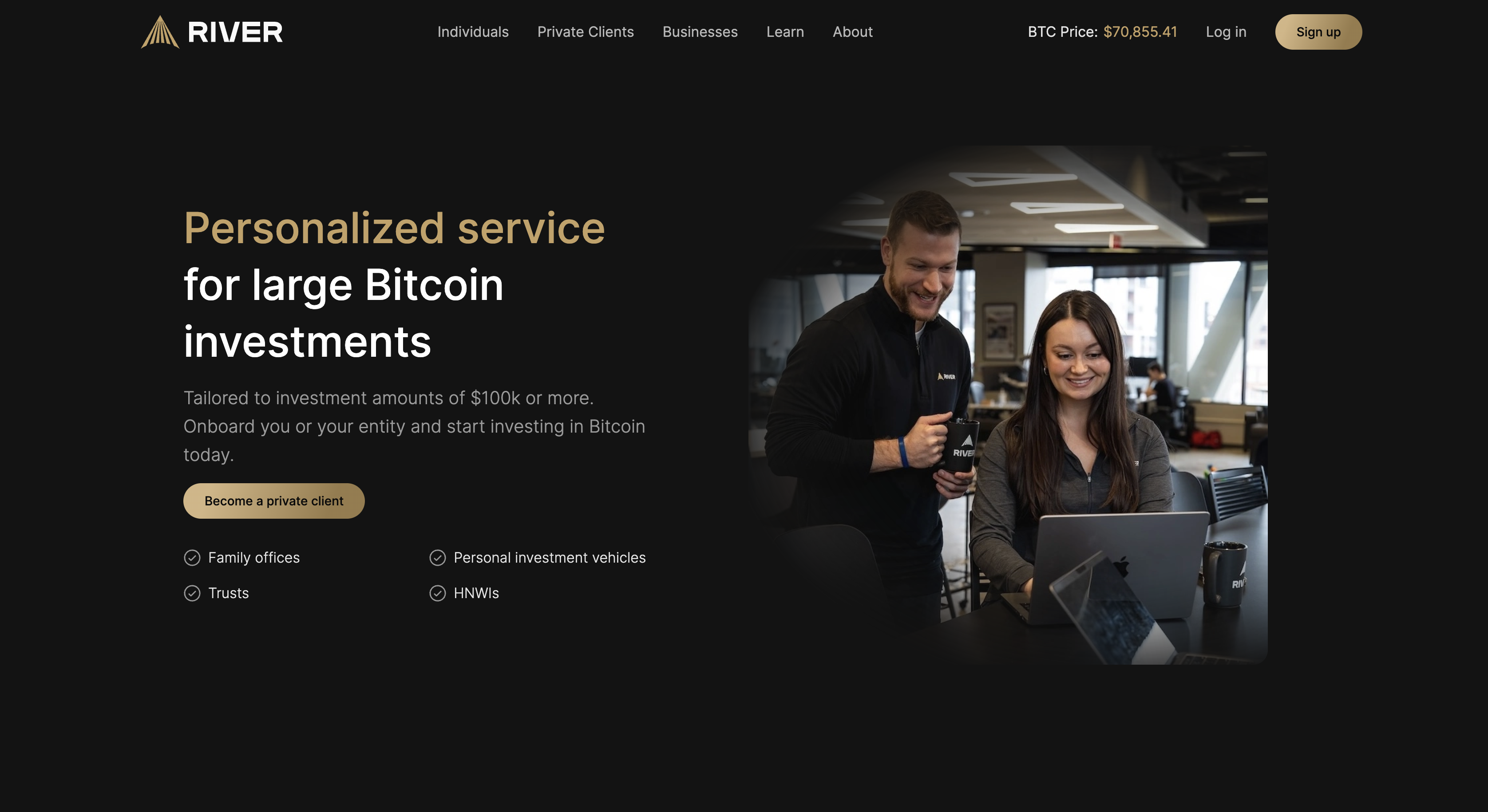
A bitcoin-focused service for purchases above $100,000. Offers private client support, ACH and wire funding, and immediate withdrawals when funded by wire. Proof of Reserves is published in real time for transparency.
Fidelity Digital Assets
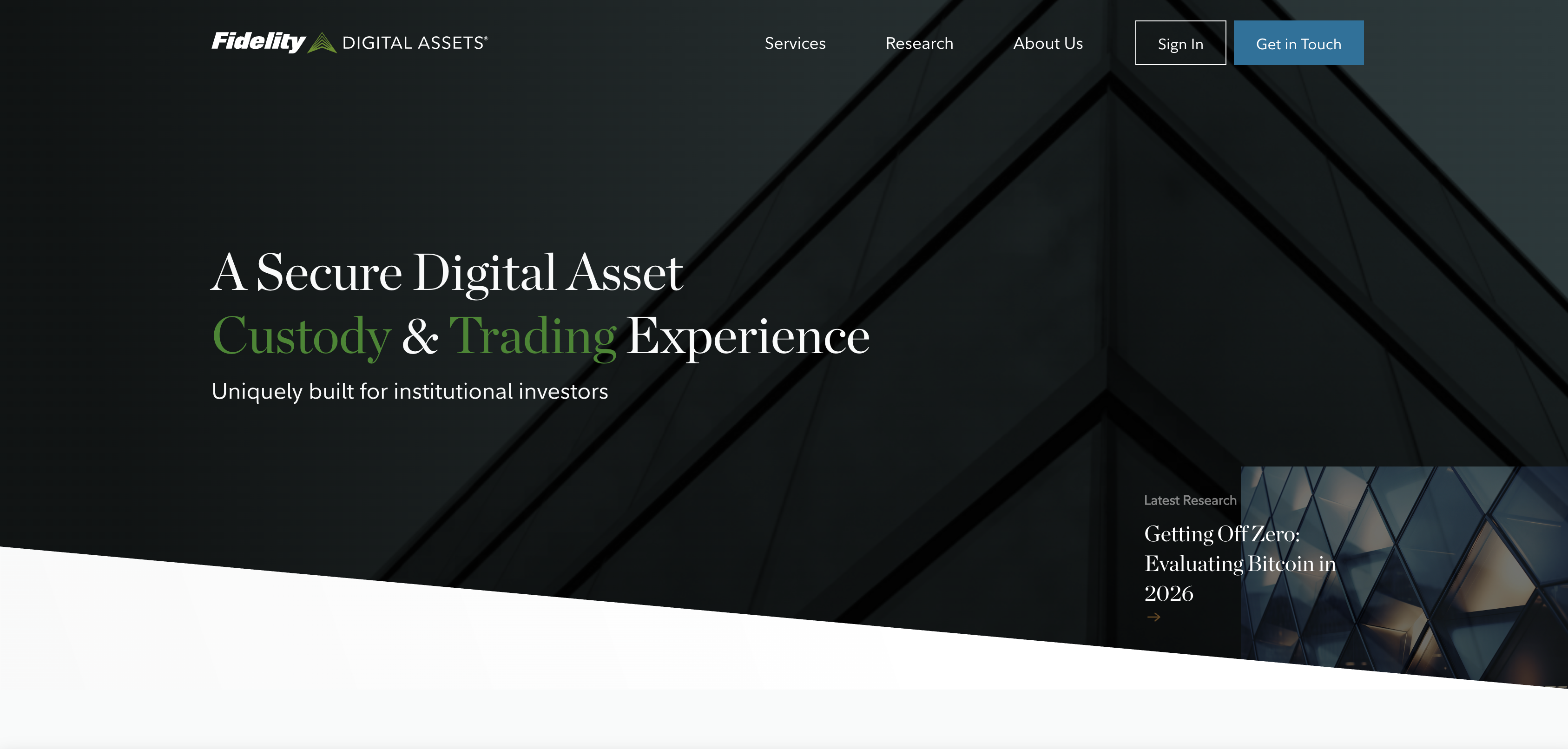
Institutional trading and custody services operated by a New York-chartered trust company, with 24/7 support for digital assets.
Anchorage Digital
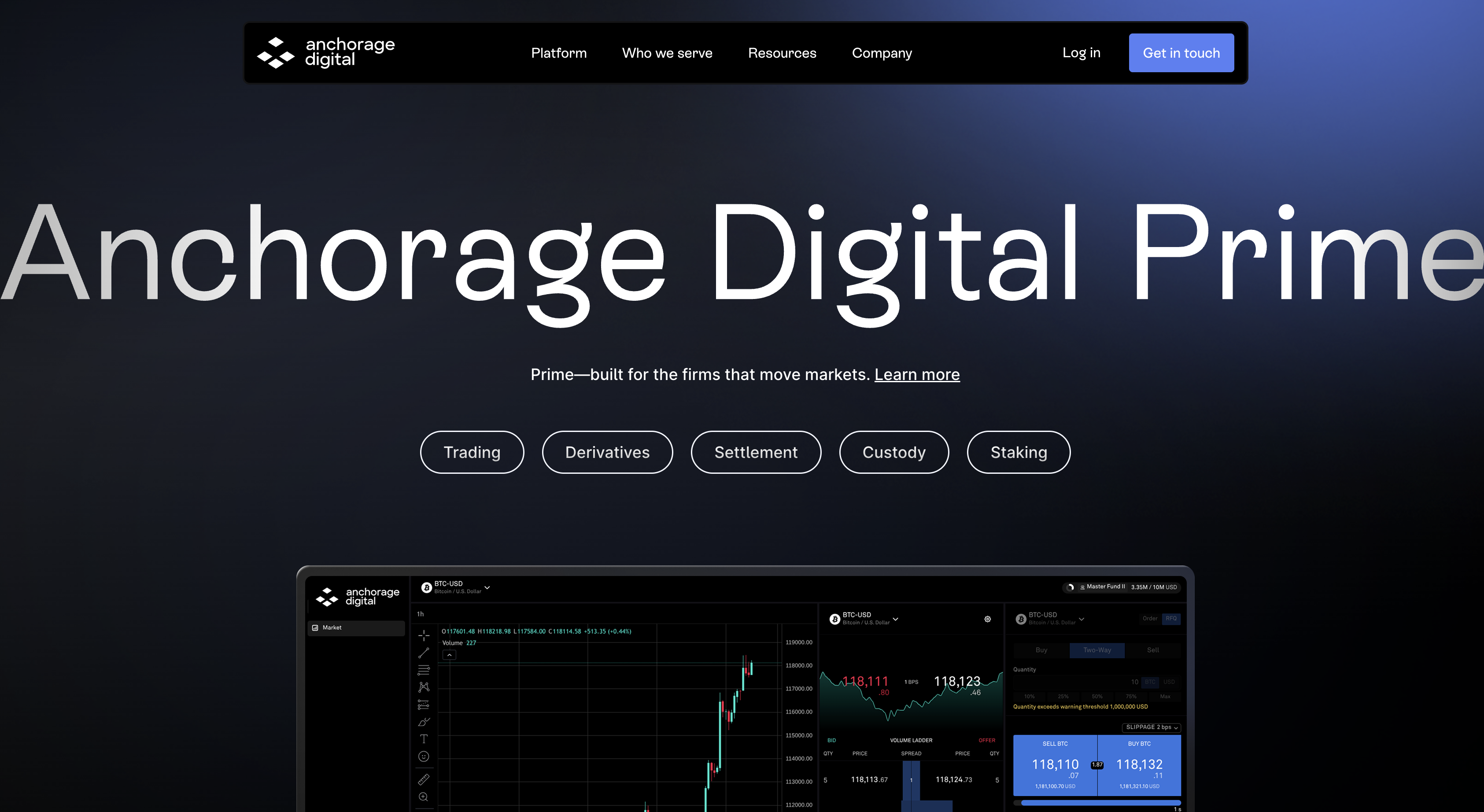
The only federally chartered crypto bank in the US. Provides custody, settlement, and a prime trading platform with derivatives and staking support.
BitGo Prime
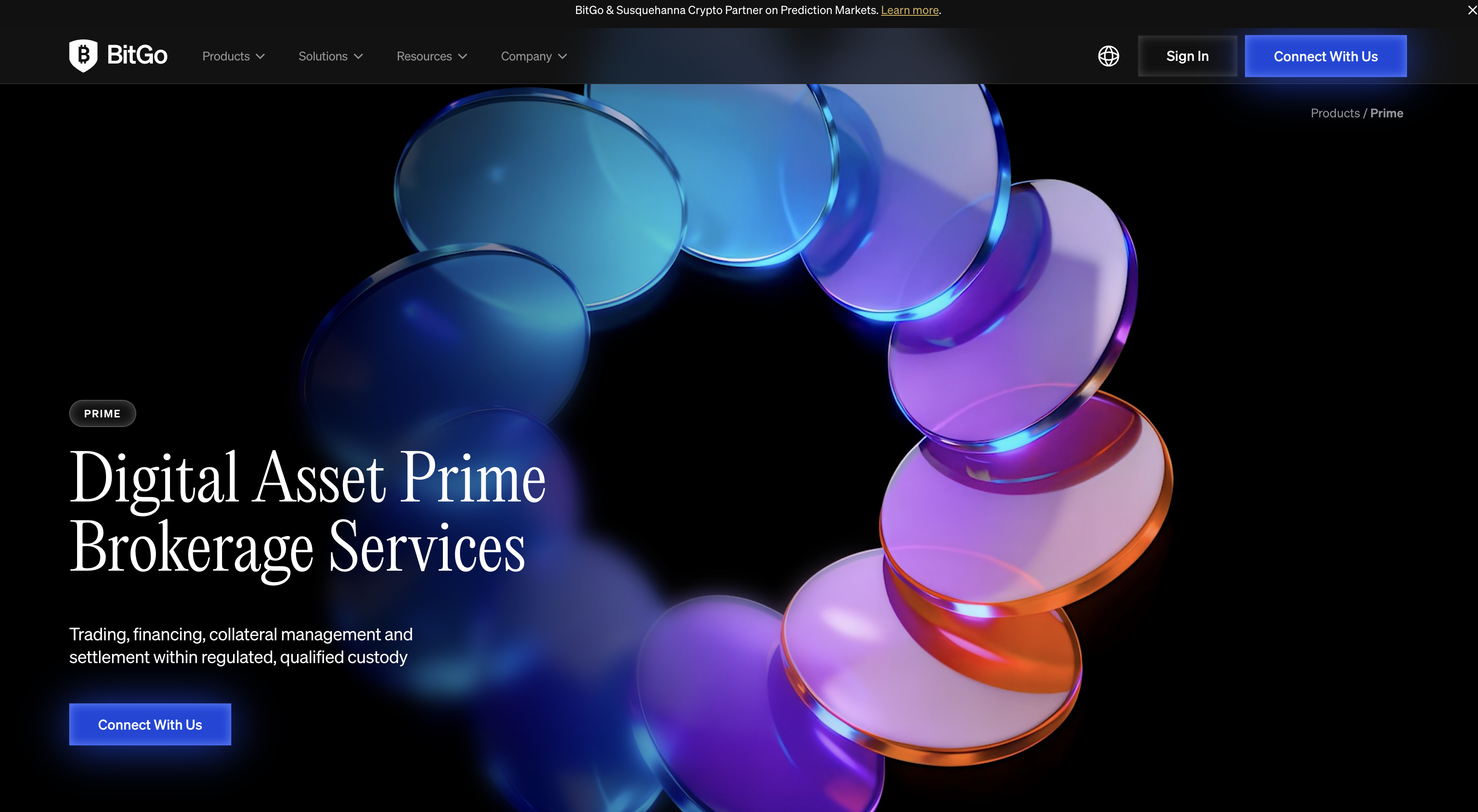
An integrated trading and custody platform. Trades are settled through the Go Network, reducing exposure to exchanges. BitGo launched a global OTC desk in 2026 and became a member of EDX Markets.
FalconX
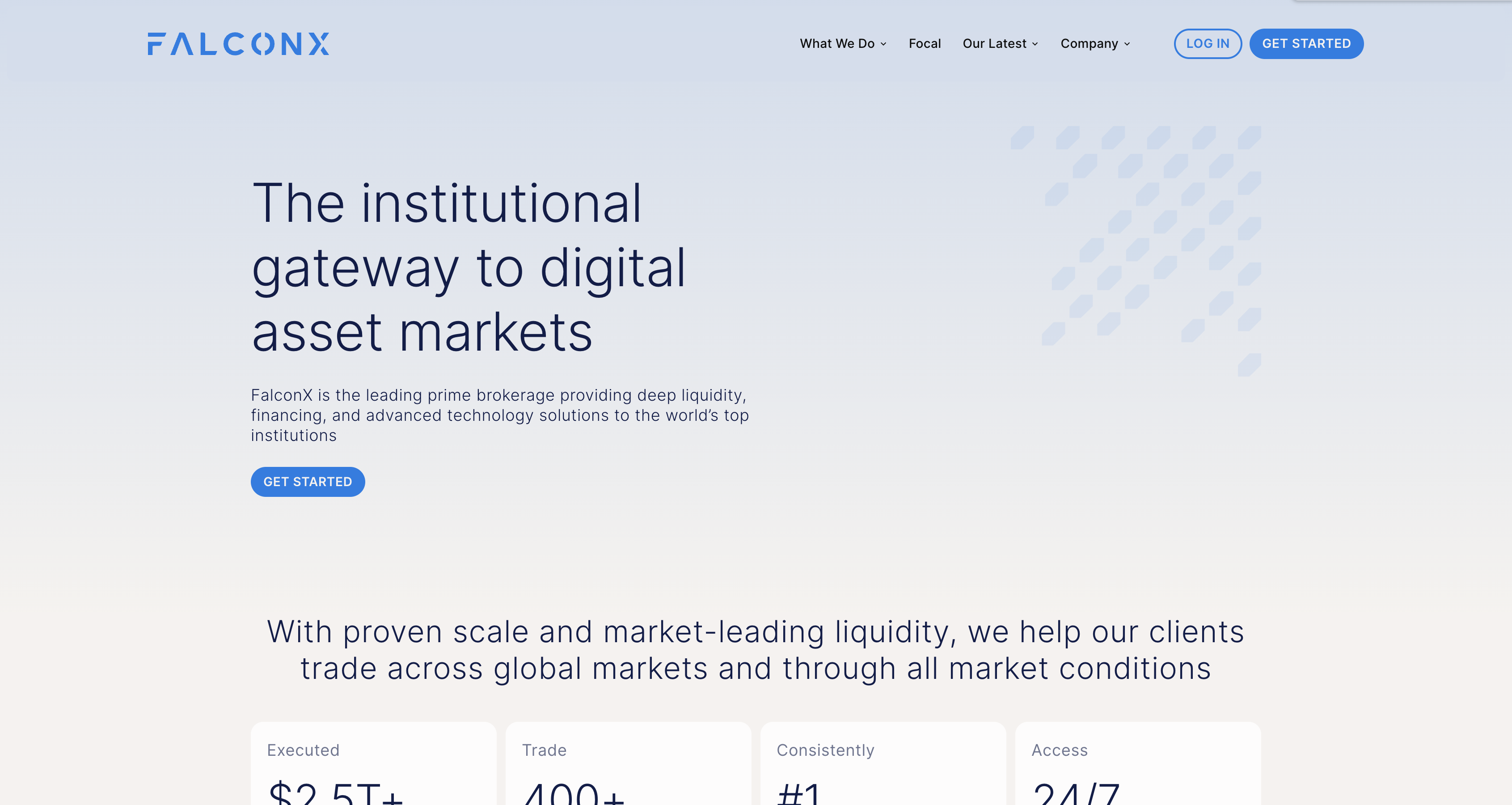
A prime-broker offering RFQ and API execution across global liquidity, as well as financing and post-trade services. Built for funds and trading firms.
Cumberland and Galaxy
Specialist OTC desks handling very large block trades. Both offer principal liquidity, derivatives, and high-touch institutional support. Galaxy reports more than 1,400 active counterparties.
Note: Platform features, state availability, and service offerings change frequently. Verify current terms directly with each provider.
Step-by-step guide to buying bitcoin at scale
Here’s how to make the process simple and auditable.
- Prepare your documents
Gather a government issued ID, proof of address, and evidence of your source of funds or source of wealth. If you buy through a company or a trust, collect formation documents and a list of authorized signers. Venues use these items to complete the verification process.
- Select two or three venues and request quotes
Ideally, shortlist at least one OTC desk and one institutional exchange program. Use an RFQ to compare the firm market price, the spread, and any transaction fees. Confirm the minimum ticket size and any withdrawal limits up front.
- Agree your settlement plan
You and the venue should confirm the payment method. A domestic wire transfer in USD is standard for size. Lock down the receive address, the number of confirmations, any withdrawal limits, network fees, and the price hold window. Use the platform’s official wire instructions and keep payment proofs.
- Send a test transaction when appropriate
If you plan to settle on chain, send a small amount first to confirm the address and the signing process. If you settle inside a venue, you can send a small test wire if the platform permits it.
- Execute
If you want certainty, you should accept an RFQ for a firm quote and a defined quantity. If you prefer exchange execution, you could use limit orders or a simple time weighted approach to keep pricing discipline and create a clean audit trail.
- Reconcile and store securely
Match the trade confirmation to the fill, archive the wire receipt, and move coins to secure custody immediately. Keep complete records for taxes because the IRS treats digital assets as property.
Security best practices for storing large bitcoin holdings
Buying bitcoin at scale is only the start. How you store it and manage it afterwards is just as important. Large holdings attract attention, so security and record-keeping are essential. Here’s what to consider.
Hardware wallets for self custody
The most direct way to protect bitcoin is to hold it yourself. Hardware wallets are small devices designed to keep private keys offline. Choose a reputable brand, set a strong passphrase, and back up your seed phrase in a secure, offline location. Many investors keep more than one copy in different places to reduce the risk of loss. Remember, self-custody involves the risk of irreversible loss if keys are lost or compromised.
Multi-signature arrangements for larger balances
If you manage significant holdings, consider a set-up that requires more than one approval before funds can be moved. Keys can be split between trusted individuals or services, with a documented recovery procedure in case one key is lost.
Qualified custodians for scale
Institutions and high-net-worth buyers often prefer to use regulated custodians. These firms usually provide insured cold storage, segregated accounts, and independent audits. They can also simplify reporting and compliance once balances reach a certain size.
Liquidity without selling
If you need access to cash but want to keep your bitcoin exposure, a bitcoin-backed loan can be an option. These loans are structured around a defined loan-to-value ratio. Always review terms, interest rates and availability in your state before applying.
Payment methods
Wire transfers remain the standard for large transactions because they are predictable and fully documented. Card payments may suit small purchases but tend to carry higher fees and lower limits.
Ongoing checks
Security is not a one-off exercise. Enable address allow-lists, withdrawal locks and strong authentication where available. Keep logs of device access and maintain an incident plan so you know exactly what to do if something goes wrong.
Read more: How bitcoin Whales Use Their Holdings Without Selling
US tax reporting rules for bitcoin buyers
The Internal Revenue Service treats digital assets as property. This means every sale, transfer or exchange may have tax consequences. Keep detailed records of market prices at the time of each transaction, the wallet addresses involved and the transaction IDs. Report disposals on Form 8949 and carry totals through to Schedule D.
Many investors use specialist crypto tax software, but speaking to a qualified adviser is often worthwhile.
Risk checks and red flags in large bitcoin trades
Large bitcoin trades attract fraudsters. Before you wire funds or share wallet details, run these important checks.
Identity. A counterparty unwilling to complete basic KYC or provide company documents is high risk. Always verify names, addresses and registration details.
Paperwork. Never send money without a signed term sheet and official wire instructions. Instructions should come from a verified domain and match the contracting entity.
Settlement changes. Last-minute switches to bank accounts or wallet addresses are a common tactic. Insist on a new signed agreement and independent confirmation.
Pricing. Quotes far from the prevailing market price are usually bait. Confirm with public sources and insist on a firm RFQ that states the all-in cost.
Custody. Vague answers about where assets are held or how withdrawals work are a red flag. Ask who the custodian is, whether funds are segregated, and what withdrawal limits apply.
Other signs to watch out for: Cold outreach on messaging apps, unusual payment methods, hidden fees, and pressure to act quickly are reasons to walk away.
How to manage your bitcoin with Ledn
After making a large purchase, the question is how to hold and use your bitcoin responsibly. Keeping coins idle in a wallet is secure, but it also means missing out on ways to unlock liquidity or build returns. Ledn can help you keep exposure while making your bitcoin work. You have several options.
Bitcoin-backed loans
Borrow US dollars against your bitcoin instead of selling. Collateral is held with qualified custodians, and loan-to-value ranges are published in advance so you know the thresholds for margin calls. Availability varies by state. Borrowing involves interest, fees, and the risk of margin calls and liquidation if BTC price declines.
Open a loan account or discover what you can do with a bitcoin-backed loan.
B2X
Double your bitcoin exposure by pairing a bitcoin-backed loan with an automatic purchase of an equal amount of bitcoin. The product magnifies upside but also carries liquidation risk if prices fall.
Growth Accounts
For clients outside the United States, Growth Accounts pay interest on supported assets, allowing you to earn a return without managing lending yourself. They are not available to US residents.
Ready to move beyond holding? Book a call with a Ledn Relationship Manager and access custom rates, priority execution, and personalised support designed for long-term bitcoin holders.
This article is sponsored by 21 Technologies Inc. and its subsidiaries, which we refer to as Ledn. It is intended for general information, discussion and educational purposes only. It should not be taken as legal, financial, investment, accounting, tax, estate-planning or other professional advice. Please read Ledn’s full Risk Disclosure Statement and Disclaimers and seek advice for your own circumstances.
The experts opinions:

CTA Block 1
Ledn was created by people who believe in Bitcoin’s power to revolutionise finance and build wealth reliably.
CTA ButtonCTA Block 2
Ledn was created by people who believe in Bitcoin’s power to revolutionise finance and build wealth reliably.
CTA ButtonCTA Block 3
Ledn was created by people who believe in Bitcoin’s power to revolutionise finance and build wealth reliably.
CTA ButtonCTA Block 4
Ledn was created by people who believe in Bitcoin’s power to revolutionise finance and build wealth reliably.
CTA Button